Toxic or Safe? A Complete Room-by-Room Guide to Pet-Friendly Houseplants
The vet bill was $847.
That’s what one nibbled peace lily leaf cost me when Luna decided to investigate the new plant on my coffee table. Two days of fluids, anti-nausea injections, blood work to make sure her kidneys were okay. She was fine in the end. The plant went straight in the bin. The peace lily had been a housewarming gift from my mum, and I’d put it in the most obvious cat-accessible spot in my flat without checking a single thing about it.
That was four years ago. Since then I’ve rebuilt my entire plant collection from scratch — every single one checked against the ASPCA database before it crosses my threshold. Thirty-plus plants across five rooms, two cats, one rescue dog, zero emergency vet visits in three years. This guide is exactly how I’d set up a pet-safe home if I had to start over tomorrow.
Most “pet-friendly plants” lists online are useless because they ignore the actual problem: where the plant goes matters as much as what plant it is. A safe plant in a stupid spot is still a problem. A slightly tricky plant in the right spot is fine. So we’re going to do this room by room — because that’s how you actually live with plants and animals.
First: The Plants You Need to Get Out of Your House Today
Before we go room by room, do this audit. Walk through your home and check whether you have any of these. If you do, they need to go — to a friend without pets, or to a sealed room your animals can’t access.
- Lilies of any kind — peace lily, true lily, calla lily, daylily. All catastrophically toxic to cats. A small amount can cause kidney failure.
- Sago palm — sold everywhere, looks like a small palm, will kill your dog. Liver failure within days. There is no antidote.
- Pothos / Devil’s Ivy — the most common houseplant in the world, also one of the most toxic to cats and dogs.
- Philodendron — same family as pothos, same problem.
- Dieffenbachia / Dumb Cane — causes severe oral burning, swelling, and difficulty breathing.
- Aloe vera — yes, the one in your skincare. Toxic to cats and dogs.
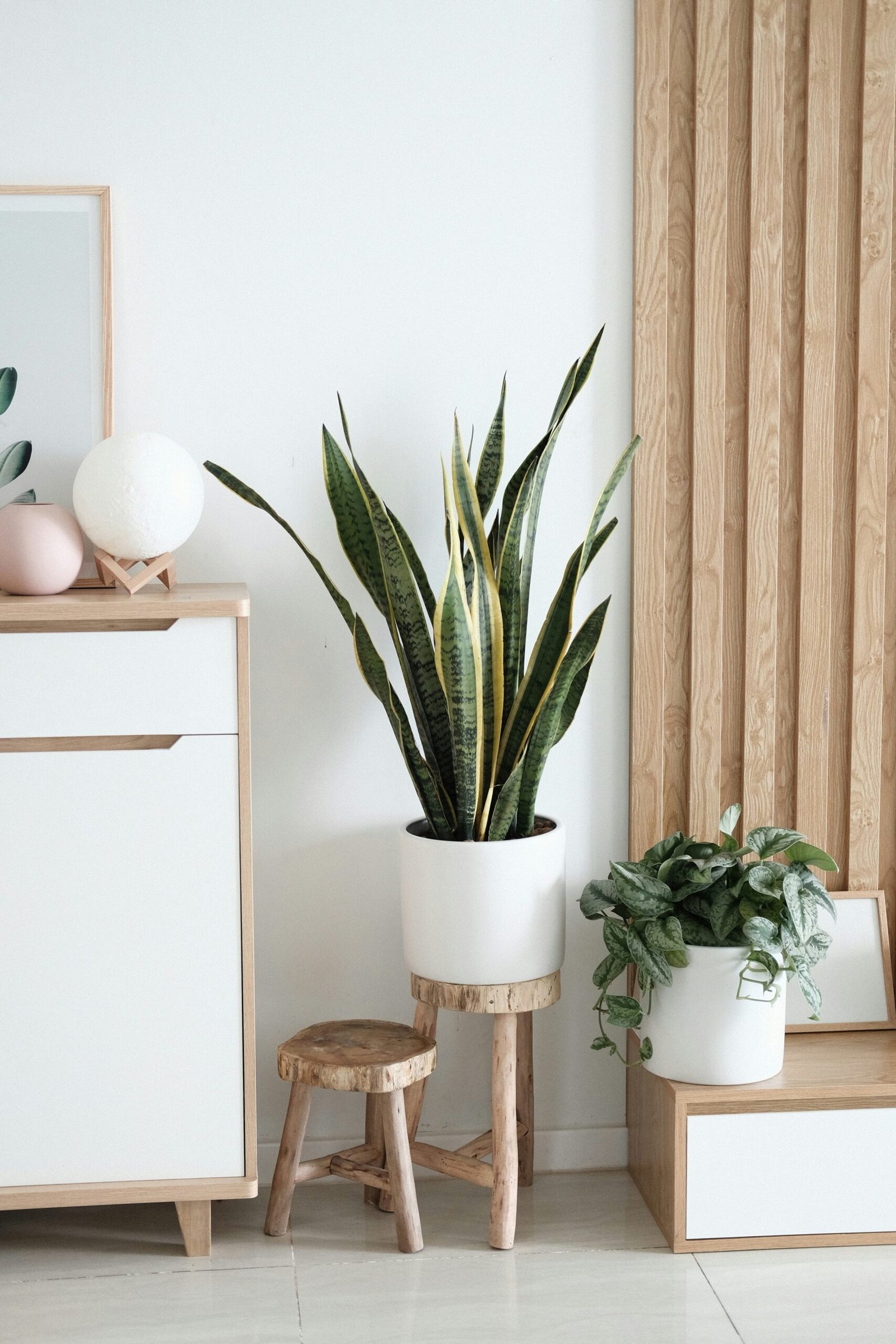
- Snake plant — milder but still causes vomiting and nausea. Move out of pet-accessible areas.
- ZZ plant — every part is toxic. Skin irritation if pets brush against the cut stems.
- Monstera deliciosa — the trendy Instagram plant. Causes mouth swelling and vomiting.
- English ivy — common in hanging baskets. Toxic to both cats and dogs.
If half your collection just got banned, I feel you. Mine looked like that too. The good news: every single plant in this guide can replace one of those, and most look just as good.
Living Room: The High-Traffic Plant Zone
The living room is where pets spend most of their time and where most people put most of their plants. It’s also where most plant-related accidents happen. The fix isn’t fewer plants — it’s smarter plants in smarter spots.
Best Pet-Safe Picks for the Living Room
Parlor palm as your statement floor plant. It grows 3–4 feet, fills a corner properly, and tolerates the medium light most living rooms have. Mine has survived Mango deciding to dig at its base, my cat using its trunk as a scratching post once, and three years of inconsistent watering. Genuinely indestructible.
Areca palm if you want something taller and more dramatic. Grows to 6 feet indoors. Featured on NASA’s Clean Air list as one of the top air-purifying plants. Pet-safe.
Calathea on a side table or low shelf. The leaves fold up at night — fascinating to watch — and the patterns are extraordinary. Pinstripe, peacock, rattlesnake. All pet-safe. Slightly fussy about humidity, but worth it.
Spider plants in macrame hangers by the windows. The hanging position keeps the plant out of reach for dogs, and even if your cat bats at the dangling spiderettes (mine does, daily), the worst case is a broken stem. Spider plants are non-toxic and bounce back from almost any damage.
Where to Put Them
Heavy plants on the floor in heavy ceramic or terracotta pots — they’re far harder for pets to knock over than lightweight plastic. Smaller plants on shelves above 4 feet for cat-proofing. Hanging plants on hooks rated for at least 25 pounds (the soil and water weight adds up).
What I avoid: low side tables, coffee tables, the floor next to the sofa where a wagging tail will eventually swipe everything. Learn from my $847 mistake.
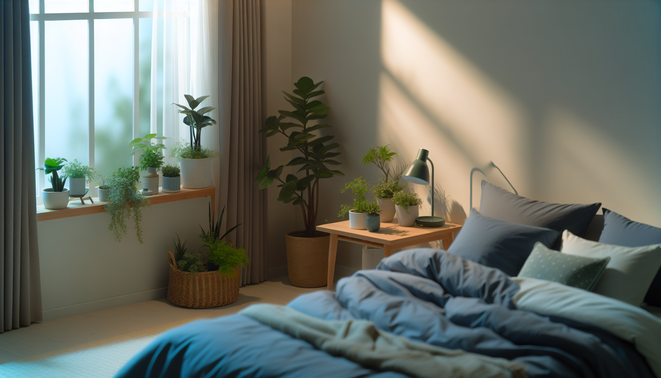
Bedroom: Calming, Quiet, Pet-Safe
Bedrooms tend to have lower light, more humidity (from breathing and bathing), and — if you have cats who sleep with you — direct overnight access to every surface. The plants here need to handle low light and zero risk if a curious cat investigates them at 3am.
Best Pet-Safe Picks for the Bedroom
Boston ferns on a tall plant stand or hanging in the corner. They love bedroom humidity, look soft and lush, and are completely safe. They release moisture as they transpire — minor, but it does help if you wake up with a dry mouth.
Peperomia on the bedside table. Stays small (under 12 inches), thrives in medium-low light, drought-tolerant, completely pet-safe. The watermelon peperomia is gorgeous — striped leaves that look like a watermelon rind. Good replacement for the toxic ZZ plant most people put on bedside tables.
Phalaenopsis orchids on the dresser. Pet-safe, elegant, bloom for months at a time. The reblooming trick: cut the spike just above the second node from the base after flowers drop, and they’ll bloom again within months.
If You Want Better Sleep
Avoid recommendations to put a “snake plant” or “lavender” by your bed for sleep. Snake plant is mildly toxic to pets, and live lavender is iffy for cats. If you want air movement and humidity for better sleep, get a small plant humidifier instead. It does the job better than any plant and doesn’t poison your cat.
Kitchen: The Trickiest Room
The kitchen is where most people want herbs — and where most people accidentally poison their pets, because half of common cooking herbs are toxic to cats and dogs. Garlic, onion, chives, mint (yes, mint), and oregano are all problematic. Chives in particular are extremely toxic.
Pet-Safe Kitchen Herbs
- Basil — completely safe for cats and dogs. Sweet basil grows fast on a sunny windowsill.
- Rosemary — pet-safe, hardy, beautiful. Good in a terracotta pot.
- Sage — common sage is non-toxic to cats and dogs.
- Thyme — completely pet-safe. Drought-tolerant.
- Cilantro / Coriander — non-toxic, easy to grow, useful in the kitchen.
- Parsley (curly leaf) — small amounts are fine. Avoid the spring parsley variety, which is toxic.
Pet-Safe Kitchen Plants Beyond Herbs
For a kitchen that gets bright morning light, a ponytail palm on top of a cabinet works brilliantly. Drought-tolerant, slow-growing, looks architectural. It’s actually a succulent, so it stores water in its bulbous base — you can ignore it for two weeks and it won’t care.
For a darker kitchen, an indoor grow light over your herb shelf solves the lighting problem cheaply. Mine cost about $30 on Amazon and runs on a timer.
What to Watch For
Cats love kitchen counters. If yours does, every kitchen plant becomes a potential snack. Use heavy pots, push them away from edges, and consider self-watering planters so you’re not leaving open water saucers around — which cats will absolutely drink from.
Bathroom: The Humid Sanctuary
Bathrooms are the easiest room to plant well. High humidity, often filtered light, and most pets don’t spend much time in there. The challenge is finding plants that thrive in steam.
Best Pet-Safe Bathroom Plants
Boston fern hanging in the corner near the shower. The humidity from the shower keeps it permanently happy. This is the plant that finally taught me Boston ferns aren’t fussy — they’re just thirsty for humidity, and most homes don’t have enough.
Calathea on a high shelf where it gets indirect light. The bathroom humidity prevents the brown tips that plague calatheas in drier rooms.
Air plants mounted on driftwood or sitting in glass globes on a high shelf. They get all their moisture from humidity — bathrooms are perfect. Pet-safe and impossible to dig up because there’s no soil.
Home Office: Plants That Improve Focus
Research from the University of Exeter found that plants in office settings can boost productivity by up to 15%. Whether you work from home full-time or part-time, the right desk plants matter — and need to survive cats walking across your keyboard.
Best Pet-Safe Office Plants
Peperomia varieties on the desk. Compact, low-water, low-light tolerant, pet-safe. The baby rubber plant peperomia is particularly easy.
Haworthia on a sunny windowsill above the desk. These look like tiny aloe veras but are completely pet-safe — unlike actual aloe vera, which is toxic. Stripe-patterned leaves, architectural, and they thrive on neglect. Read more on cactus and succulent light requirements if you’re new to this kind of plant.
African violet on the desk if you want flowers. Small, tidy, blooms continuously in good light, completely pet-safe.
Hallways and Entryways: Often Forgotten, Easy Wins
Hallways are usually low-light, low-traffic for plants, and weirdly empty in most homes. A single statement plant in a hallway can completely transform the space.
Cast iron plant (Aspidistra) is built for hallways. It tolerates near-darkness, gets ignored for weeks, and is non-toxic to pets. Slow growing but extraordinarily reliable.
Parlor palm works here too — it’ll happily sit in a hallway corner with minimal light.
The Plants Reviewers Always Recommend That You Should Skip
A few plants get recommended constantly online but are bad ideas in pet households:
- Snake plant for “low maintenance” — mildly toxic. Get a ZZ-plant lookalike like a haworthia instead, or read why snake plants need careful placement.
- Aloe for “natural skin remedy” — toxic to cats and dogs. Buy aloe gel in a tube instead.
- Pothos for “anyone can grow it” — no. Just no. Spider plants do the same job and are safe.
- Eucalyptus for “fresh smell” — toxic to both cats and dogs. The dried stems too.
What to Do If Your Pet Eats Something
Save these numbers in your phone right now:
- ASPCA Animal Poison Control: 888-426-4435 (US — $95 consultation fee, worth every cent)
- Pet Poison Helpline: 855-764-7661 ($85 fee, 24/7)
If your pet has eaten something and you’re not sure what, take a clear photo of the plant before you call. They’ll ask. If it’s a confirmed toxic plant and you can see chewed leaves, go straight to your emergency vet — don’t wait for symptoms.
For a deeper dive into specific plants I keep at home, check the complete pet-safe indoor plants guide with care tips for each one.
Building Your Setup: The Order I’d Buy In
If you’re starting from scratch and want a complete pet-safe home in the next month, here’s the order I’d actually buy in. This is the order that gives you the most visual impact for the least money:
- Parlor palm for the living room corner ($25–40)
- Two spider plants in macrame hangers by your windows ($30 total)
- Boston fern for the bathroom ($20)
- Three small herbs (basil, rosemary, thyme) for the kitchen ($15)
- One calathea as a statement piece on a side table ($25)
- A peperomia or two for the bedside table and desk ($20 total)
- Air plants set for high shelves ($15)
Total: around $150 for a complete, pet-safe plant setup that covers every room. That’s a fraction of one emergency vet bill — and dramatically nicer to live with.
Final Thought
Luna is asleep on the sofa as I write this, three feet from a parlor palm she’s been ignoring for three years. Mango is curled up under the spider plant in the window. The air smells faintly of rosemary from the kitchen. Nothing is poisoning anyone. Nobody is at the vet.
That’s what a properly set-up pet-friendly home looks like. Plants and animals coexisting calmly because you made informed choices upfront. It is so much easier than the alternative. Start with one room. Replace the toxic stuff. Build from there.
Note: This post contains Amazon affiliate links. If you buy through them I earn a small commission at no extra cost to you. I only link to plants and products I’d buy or have bought for my own home.
About Maya Chen: Maya is a Los Angeles-based pet owner and plant enthusiast living with two cats, a rescue dog named Mango, and 30+ houseplants. Questions? hello@petsnplants.net