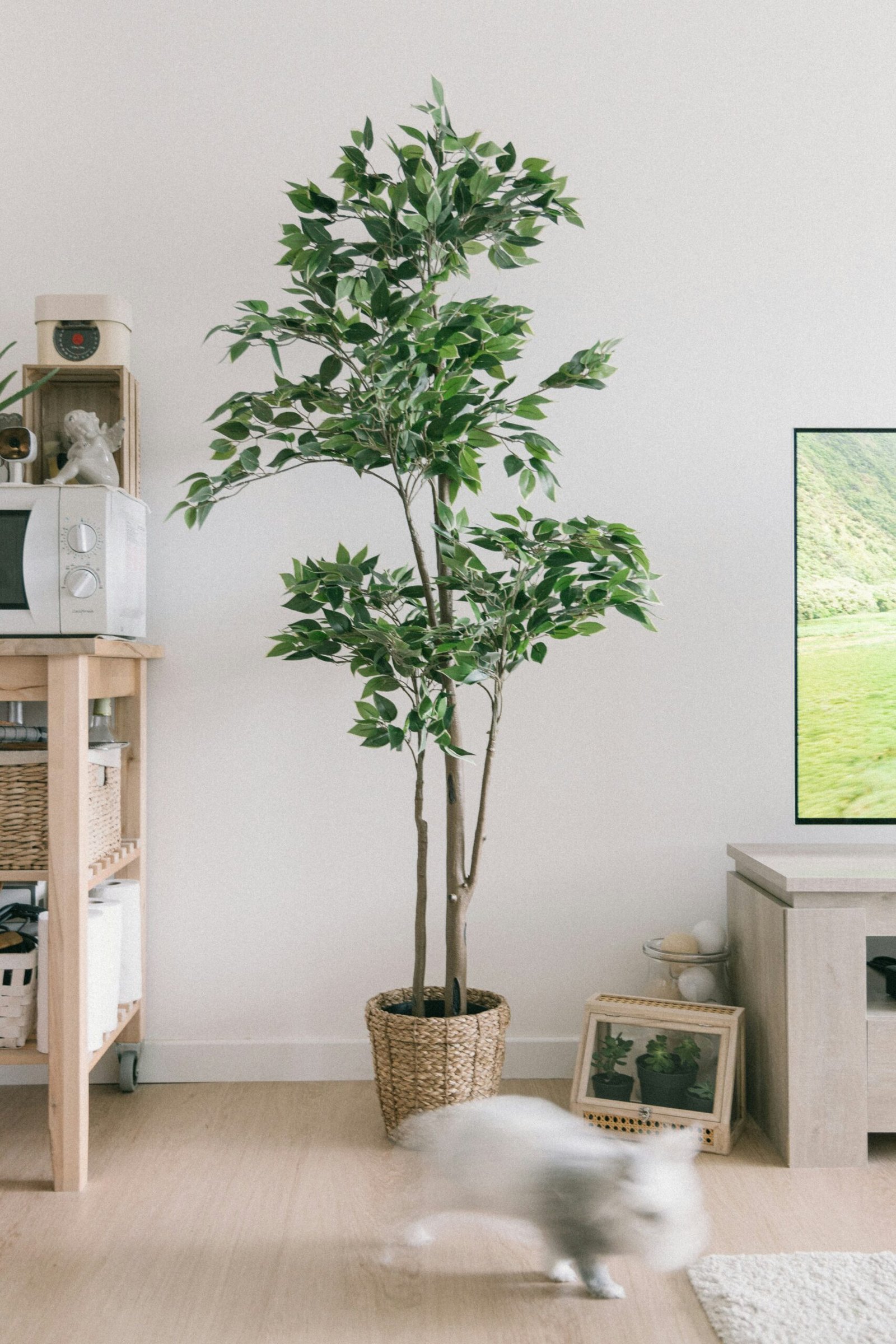
10 Pet-Safe Indoor Plants That Look Beautiful and Won’t Harm Your Fur Family
I’ll be honest with you — I didn’t think twice about my houseplants until the afternoon I caught my cat Luna chewing on a peace lily leaf. One frantic call to my vet and a quick check of the ASPCA toxicity database later, I had the peace lily in a trash bag and a much deeper understanding of just how many common houseplants are quietly dangerous to our pets.
If you’re like me — someone who loves filling their home with greenery but also shares that home with a curious dog or a plant-nibbling cat — this list is for you. These are the 10 pet-safe indoor plants I actually keep in my own home, how I care for them, and exactly why they work in a pet-friendly household.
Why Pet Safety Matters More Than You Think
Before we get into the list, a quick reality check. The ASPCA Animal Poison Control Center handles over 400,000 cases per year, and houseplant ingestion is consistently in the top 10 causes. Many of the most popular plants sold at garden centers — pothos, peace lilies, philodendrons, snake plants, and aloe vera — are toxic to cats and dogs to varying degrees.
The good news? There are dozens of genuinely beautiful plants that are completely safe. You don’t have to choose between a gorgeous home and a safe one.
A note from Maya: After the peace lily incident, I went through every plant in my home with the ASPCA database open on my phone. I ended up rehoming four plants. It was worth every minute. Your pet’s safety is always worth the effort.
The 10 Best Pet-Safe Indoor Plants
1. Spider Plant (Chlorophytum comosum)
The spider plant is my desert island houseplant. It’s nearly impossible to kill, thrives in indirect light, and produces adorable little “spiderettes” that you can propagate and give to friends. Most importantly, it’s listed as non-toxic by the ASPCA for both cats and dogs.
My cat Luna is obsessed with the dangling spiderettes — she bats at them constantly. The most that happens? A broken stem. No vet bills.
Care tips: Water once a week, indirect light, let the soil dry between waterings. They’ll even survive a missed watering or two if you’re travelling.
Best for: Hanging baskets out of reach of dogs, or shelves where cats can interact safely.
Looking for a low-maintenance plant to start with? Also check out our guide to choosing the right pots for your indoor bamboo — another beginner-friendly option.
2. Boston Fern (Nephrolepis exaltata)
Boston ferns are lush, full, and dramatic in the best way. They’re a non-toxic choice for homes with both cats and dogs, and they do double duty as natural air humidifiers — the fronds release moisture as they transpire.
The one catch: Boston ferns need humidity. In a dry home or during winter, the tips can brown quickly. I keep mine in my bathroom where the shower provides natural humidity, and it’s absolutely thriving.
Care tips: High indirect light, keep soil consistently moist (not soggy), mist the fronds every few days in dry climates. They sulk in air conditioning.
Best for: Bathrooms, kitchens, or any room with good natural humidity.
3. Parlor Palm (Chamaedorea elegans)
If you want that tropical, resort-style look in your living room without endangering your pets, the parlor palm is your answer. It grows slowly, tolerates low light better than most palms, and is completely safe for cats and dogs.
My rescue dog Mango tried to dig at the base of mine when he first arrived — classic rescue dog behaviour. The plant survived. Mango has since lost interest.
Care tips: Low to medium indirect light, water when the top inch of soil is dry. Don’t overwater — these hate soggy roots. Feed with a diluted liquid fertiliser once a month in spring and summer.
Best for: Corners, living rooms, bedrooms. Works beautifully as a floor plant.
4. Calathea (Calathea spp.)
Calatheas are the drama queens of the plant world in the best sense. Their leaves fold up at night and open in the morning — a phenomenon called nyctinasty — and their patterns are extraordinary. Pinstripes, peacock markings, rattlesnake patterns. All non-toxic to pets.
I have three calatheas and they’re among my most commented-on plants. Visitors always ask what they are.
Care tips: Bright indirect light, high humidity, distilled or filtered water (tap water with fluoride causes brown tips — same issue as with indoor bamboo). Keep away from drafts and air vents.
Best for: Statement pieces in living rooms or bedrooms. Not ideal for beginners but worth the learning curve.
5. Areca Palm (Dypsis lutescens)
Another palm, and for good reason — palms are overwhelmingly pet-safe and visually stunning. The areca palm grows taller than the parlor palm and has a feathery, elegant look. NASA’s famous Clean Air Study listed it as one of the top air-purifying plants.
Care tips: Bright indirect light, water when top inch of soil dries out. They appreciate being taken outside in summer. Wipe fronds occasionally with a damp cloth to remove dust.
Best for: Larger spaces, entryways, living rooms. Makes a real statement at 4–6 feet tall.
6. Ponytail Palm (Beaucarnea recurvata)
Technically not a palm at all — it’s a succulent — the ponytail palm is one of the most forgiving plants I own. It stores water in its bulbous base, meaning it can go weeks without watering. Completely non-toxic to cats and dogs.
My cat has chewed the tips of the long, thin leaves several times. The plant doesn’t care. The tips brown slightly, I trim them with scissors, and we move on.
Care tips: Bright light, water very sparingly (monthly in winter, every 2–3 weeks in summer). Thrives on neglect. Perfect for frequent travellers.
Best for: Bright windowsills, sunrooms. Great for anyone who tends to forget to water.
7. Peperomia (Peperomia spp.)
Peperomias come in hundreds of varieties — watermelon, ripple, baby rubber plant — and they’re all non-toxic to pets. They stay small, which makes them perfect for shelves and desks. Their thick, waxy leaves store water, so they’re drought-tolerant.
I have a watermelon peperomia on my desk and a ripple peperomia in the kitchen. Both get occasional sniffs from Mango, and neither has caused any issues.
Care tips: Medium indirect light, water when the top half of soil is dry. They prefer to be slightly underpotted. Easy to propagate from leaf cuttings.
Best for: Desks, shelves, small spaces. Perfect for plant collectors who want variety without toxicity risk.
8. Haworthia (Haworthia spp.)
If you love the look of succulents but have cats who treat them as snacks (mine does), haworthia is your solution. Unlike aloe vera — which looks similar but is toxic to pets — haworthia is completely safe.
It’s a slow grower with striking, architectural leaves that look genuinely beautiful in small terracotta pots. I keep a cluster of them on my south-facing windowsill alongside my cactus collection.
Care tips: Bright indirect light (direct sun causes leaf burn), water sparingly — every 2–3 weeks in summer, monthly in winter. Excellent drainage is essential.
Best for: Windowsills, terrariums, desk plants. Great for sunny spots where you want something small and architectural.
9. Orchid (Phalaenopsis spp.)
Yes, orchids are pet-safe — and yes, they can be kept alive long-term if you know the trick. Phalaenopsis orchids, the most common type sold in shops, are non-toxic to cats and dogs according to the ASPCA.
The reblooming trick I’ve learned: after the flowers drop, cut the spike just above the second node from the base (not all the way down), keep it in bright indirect light, and give it a slight temperature drop at night. Mine rebloomed within three months.
For a deeper dive into orchid care, check out our post on essential care tips for your orchid blooms.
Care tips: Bright indirect light, water weekly with the ice cube method (3 ice cubes), let roots dry between waterings. Never let sit in standing water.
Best for: Windowsills, dining tables, anywhere you want an elegant, long-lasting display.
10. Air Plants (Tillandsia spp.)
Air plants are the ultimate pet-safe plant because they don’t even need soil — and a pet can’t dig them up. They absorb nutrients and moisture through their leaves. They’re non-toxic, sculptural, and endlessly interesting.
I keep mine in a driftwood display on a high shelf. They get a bath — fully submerged in water for 20–30 minutes — once a week, then dry upside down before going back on display.
Care tips: Bright indirect light, weekly soaking, good airflow to dry quickly after watering. Avoid terrariums with closed lids — they need air circulation.
Best for: Mounted displays, driftwood, glass globes. Perfect for pet households because there’s no soil for curious paws to disturb.
Plants to Avoid Completely in Pet Households
For balance, here are the plants I removed from my home after that peace lily incident:
- Pothos — extremely common, extremely toxic to cats and dogs
- Peace lily — causes vomiting, difficulty swallowing
- Philodendron — mouth and throat irritation
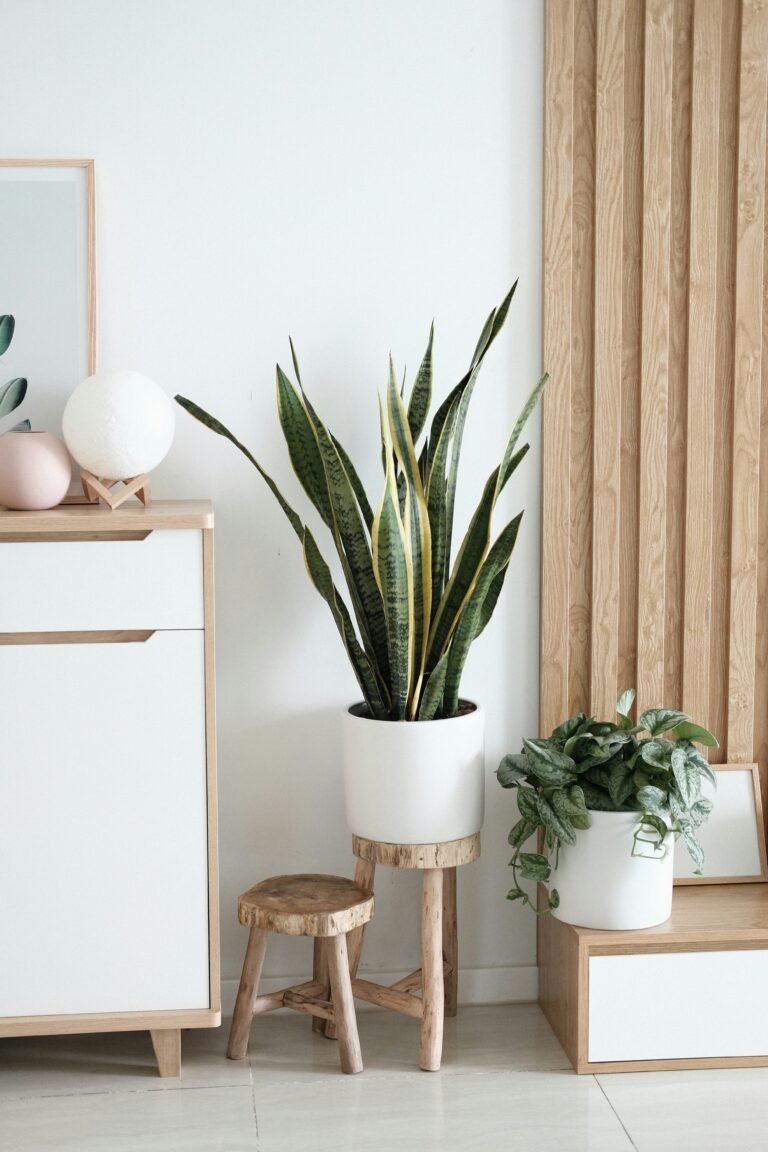
- Snake plant — causes nausea and vomiting (yes, despite being on my earlier air quality post, it needs to be kept well out of reach)
- Aloe vera — toxic to both cats and dogs
- Dieffenbachia — causes temporary inability to speak in humans; severe irritation in pets
If you already have any of these, you have two options: rehome them to a friend without pets, or move them to spaces your pet genuinely cannot access — a locked home office, a high outdoor balcony with a barrier, or a room your pet never enters.
Setting Up a Pet-Safe Plant Space
A few practical tips from years of living with both pets and plants:
Go vertical. Wall-mounted shelves and hanging planters keep plants out of reach of dogs and reduce the chance of cats accidentally knocking them over while jumping.
Use heavy pots. Ceramic and terracotta pots are harder to tip than plastic. My rescue Mango knocked over two lightweight plastic pots in his first week home. Zero ceramic casualties since.
Train early. A firm “leave it” command works wonders. We cover this in our post on volunteering insights and dog adoption — newly adopted dogs especially benefit from clear boundaries.
Keep the ASPCA number saved. 888-426-4435. Animal Poison Control. Save it in your phone right now. There’s a consultation fee, but it’s worth every cent.
Final Thoughts
Living with pets and plants together isn’t just possible — it’s genuinely wonderful. The key is making informed choices upfront so you’re never in the position I was in with that peace lily.
Every plant on this list has earned its place in my home. They’ve survived Mango’s nosing, Luna’s leaf-chewing, and my occasional forgetfulness about watering. They’re beautiful, safe, and completely compatible with a full, happy pet household.
Start with the spider plant or the ponytail palm if you’re new to houseplants — both are nearly indestructible. Work up to the calathea when you’re ready for a challenge.
Your home can be lush, green, and completely safe for your fur family. I promise.
About Maya Chen Maya Chen is a Los Angeles-based pet owner and plant enthusiast with 8+ years of experience keeping cats, a rescue dog, and 30+ houseplants under one roof. She writes practical, tested advice on pet care, plant safety, and creating a home where both can thrive. Questions? hello@petsnplants.net